 SAA Media
High School · Grades 9–12
Photography
The fundamentals class: exposure, composition, light, and the habit of looking twice.
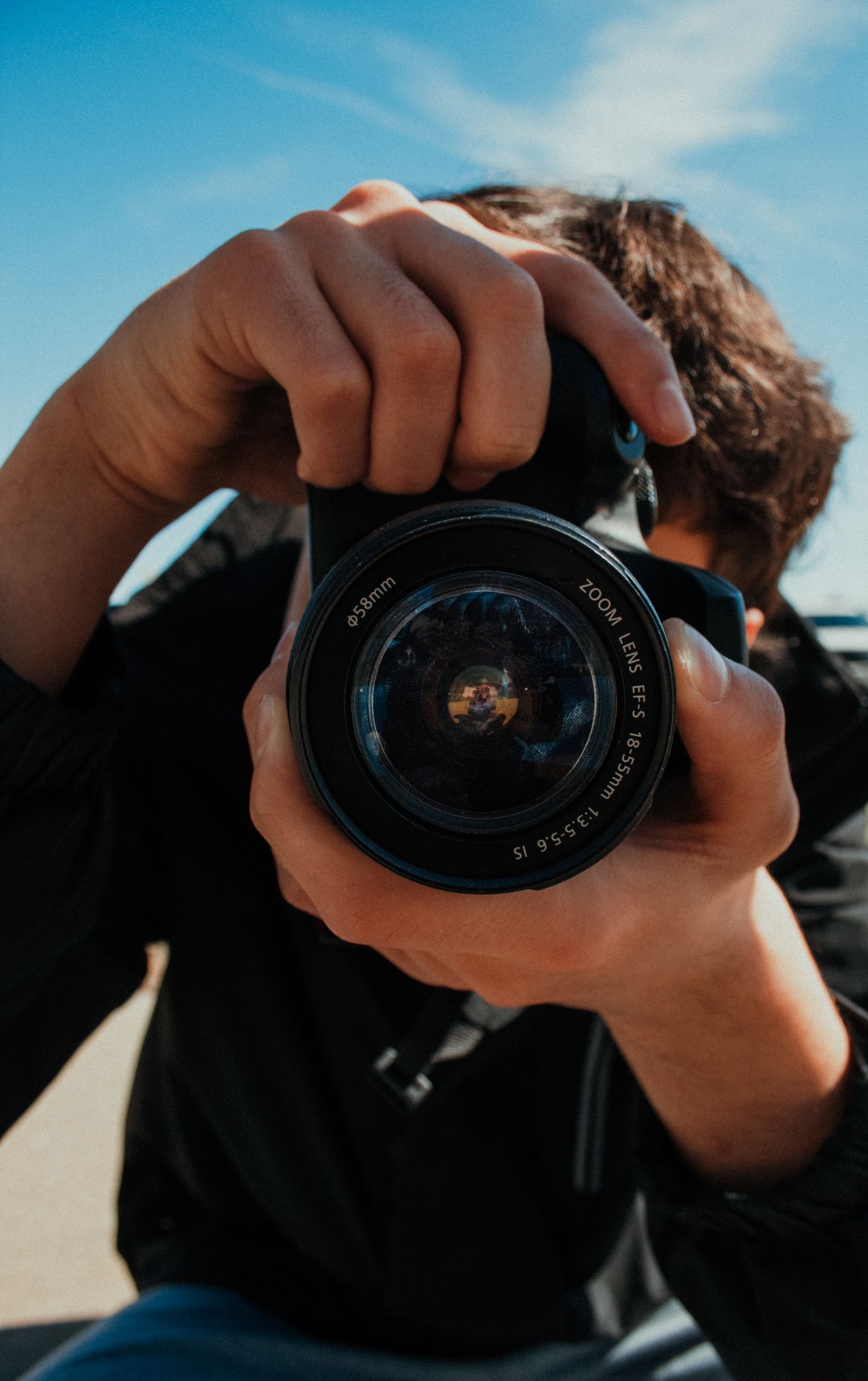
Photography at SAA starts with the basics and moves fast. Students learn what aperture, shutter speed, and ISO actually do, then get out of the classroom and shoot. The school calendar provides the assignments: chapel, concerts, games, graduations. A student who photographs the eighth grade promotion is photographing something that matters to the families there.
The class also covers editing and workflow, because a photographer who cannot organize and finish images is a photographer with a hard drive full of might-have-beens. Students build a portfolio of finished work on their own website as the year goes on.
For students — the Photo Coach
Sign in with your class roster, get the right camera settings for what you're shooting, and get a photo critiqued against the 8 skill strands.
Class at a glance
- Teacher — Mark Janke
- Schedule — Tuesdays & Thursdays, 55 minutes · full year, two semesters
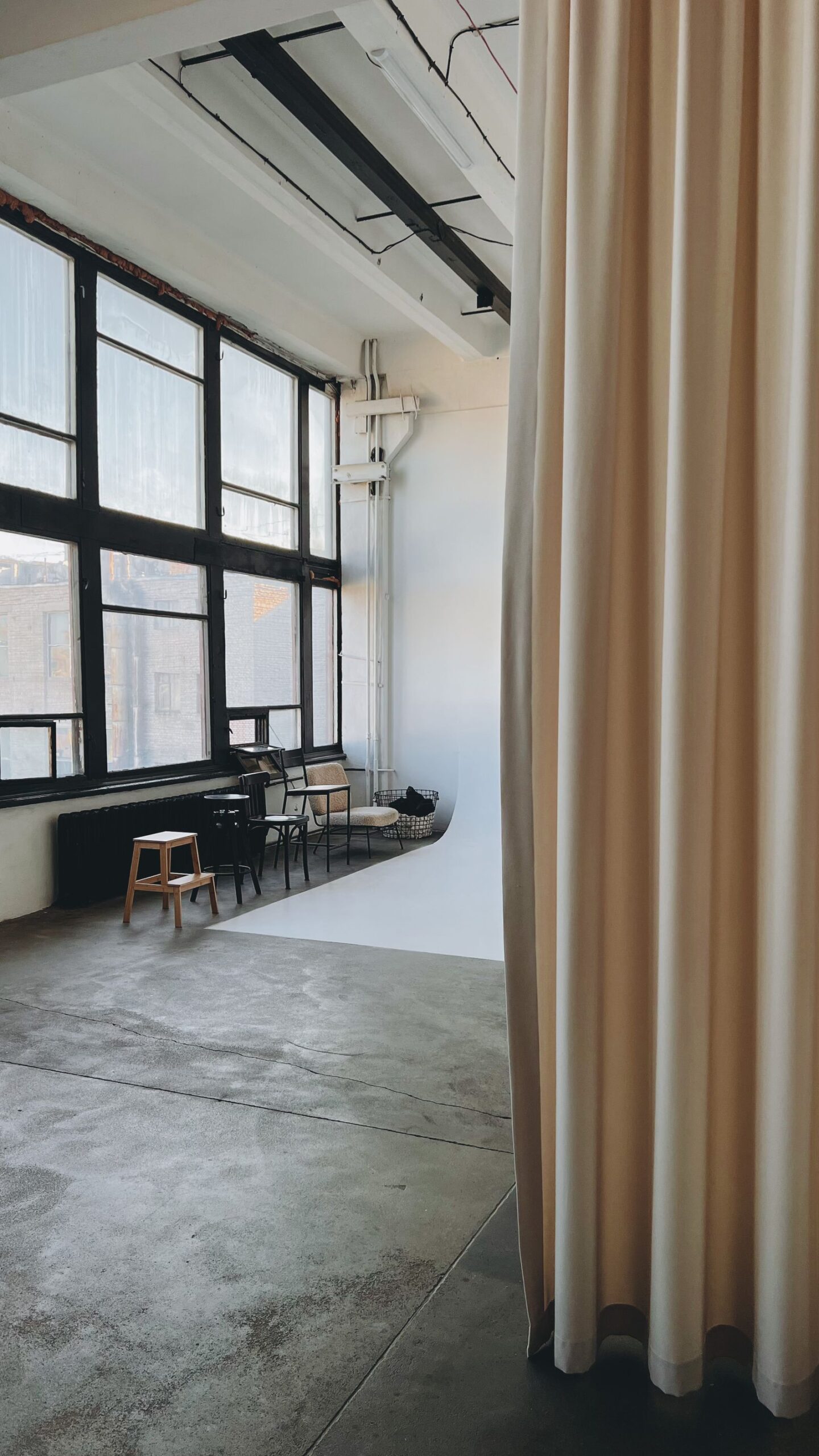
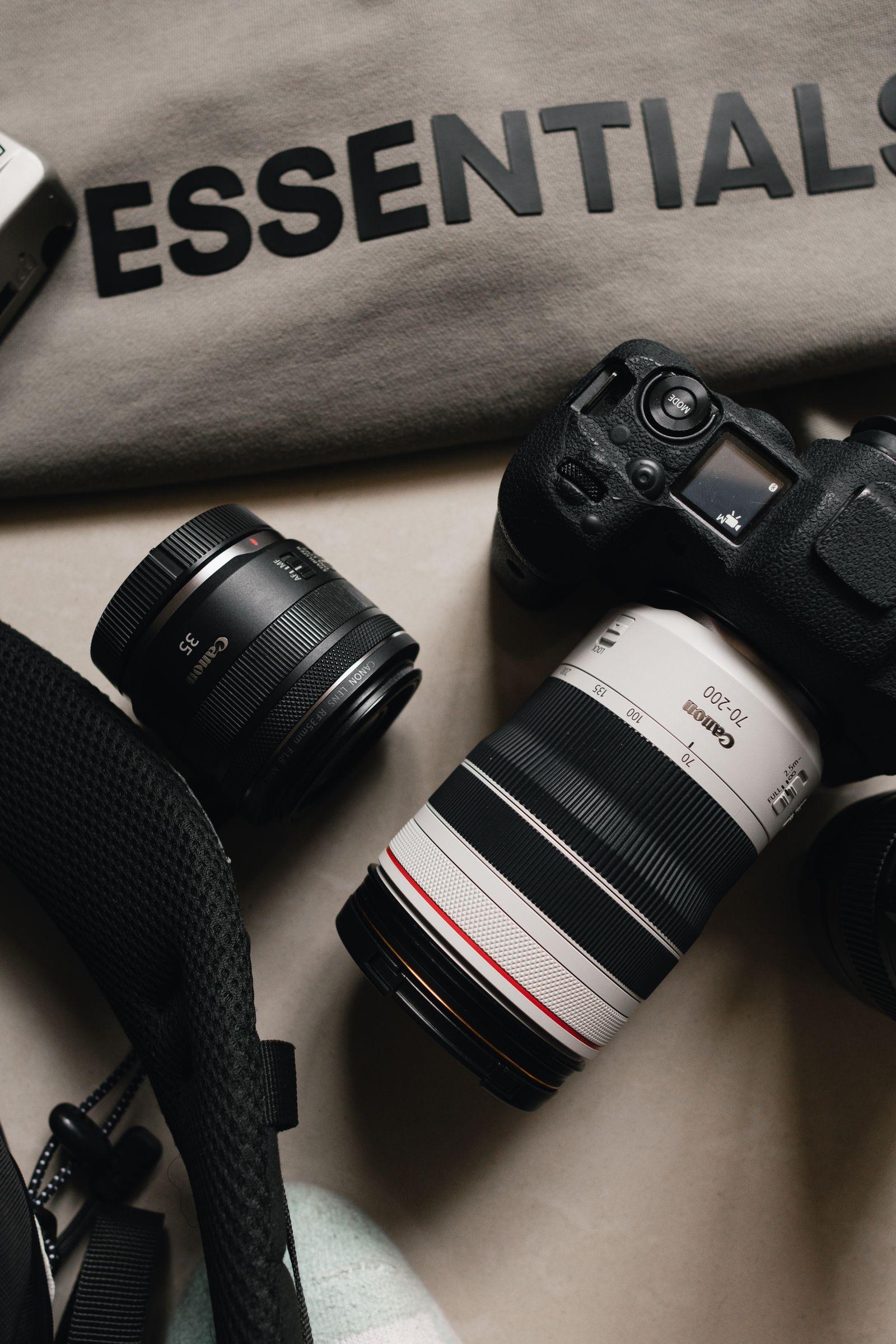
- Gear — a class set of Canon DSLRs with EF-mount lenses, plus a dedicated studio with backdrops, flashes, and strobes
- Software — Adobe Lightroom & Photoshop
- Credit — written to meet the UC/CSU “a-g” Area F (Visual & Performing Arts) requirement
What students learn
The work builds in layers, and the skills are concrete. By the end of the year a student can:
- Shoot in full manual — aperture, shutter speed, and ISO; aperture- and shutter-priority modes; evaluative, spot, and center-weighted metering; autofocus modes; white balance; and the RAW-versus-JPEG decision.
- Compose deliberately — the rule of thirds, leading lines, framing, perspective and forced perspective, pattern and symmetry, the golden ratio, negative space, and depth of field used as a design tool.
- Read and shape light — natural light (open shade, backlight with reflector fill, window light, golden hour), plus studio work: one-, two-, and three-point strobe setups, speedlights, umbrellas and softboxes, high-key and low-key, and green-screen.
- Edit in Lightroom and Photoshop — an import-and-cull workflow, non-destructive editing, global develop and color grading, spot healing and retouching, layer masks and compositing, HDR and panorama stitching, and print prep.
- Shoot the genres — portraits (formal, candid, self, environmental, studio), sports action, event coverage for the yearbook, product photography, and a long-form thematic photo essay.
- Finish and present work — cull to the strongest frames, sequence a portfolio, write an artist statement, prepare for print, and publish to a WordPress site.
A year in the class
Semester 1 — Skills Studio. Manual exposure, composition and visual design, natural-light portraiture, and first studio lighting. It closes with each student’s first published portfolio site.
Semester 2 — Production Studio. A professional Lightroom and Photoshop workflow, multi-light and green-screen compositing, an independent thematic photo essay, and full-year portfolio curation — all leading to a public exhibition at the school’s Art Night.
What students shoot
- Portraits, from formal studio work to candid moments
- Sports and event coverage for the yearbook
- Product and studio lighting exercises
- Photo essays on a theme of their choosing
Every project ends the same way: printed or published, and reviewed. Not graded in a vacuum, looked at.
How it’s graded
Photography grades competence, not compliance. Instead of averaging points, every student is rated 1–4 on eight skill strands, using their best and most recent work rather than an average of every attempt:
- Technical Camera Control
- Composition & Visual Design
- Lighting & Studio Craft
- Editing & Post-Production
- Presentation & Portfolio
- Critique & Visual Analysis
- Concept & Voice
- Professionalism & Process
Because the scale reflects what a student can currently do, any strand can be raised with a reshoot, a revised edit, or a stronger portfolio piece — nothing is permanently locked in at a low score.
The portfolio
Every student builds and maintains their own portfolio site on WordPress — the same tool professionals use — choosing and sequencing their best work all year. The year culminates in a public exhibition at Art Night, where the work is printed, hung, and seen by a real audience.